
First Aid Guides
DRSABCD Action Plan
Your first actions in a first aid emergency for an adult or child (over 12 months)
D - Danger
Assess the area to ensure it's safe for yourself, others and the person in need. Only proceed to help them if its safe.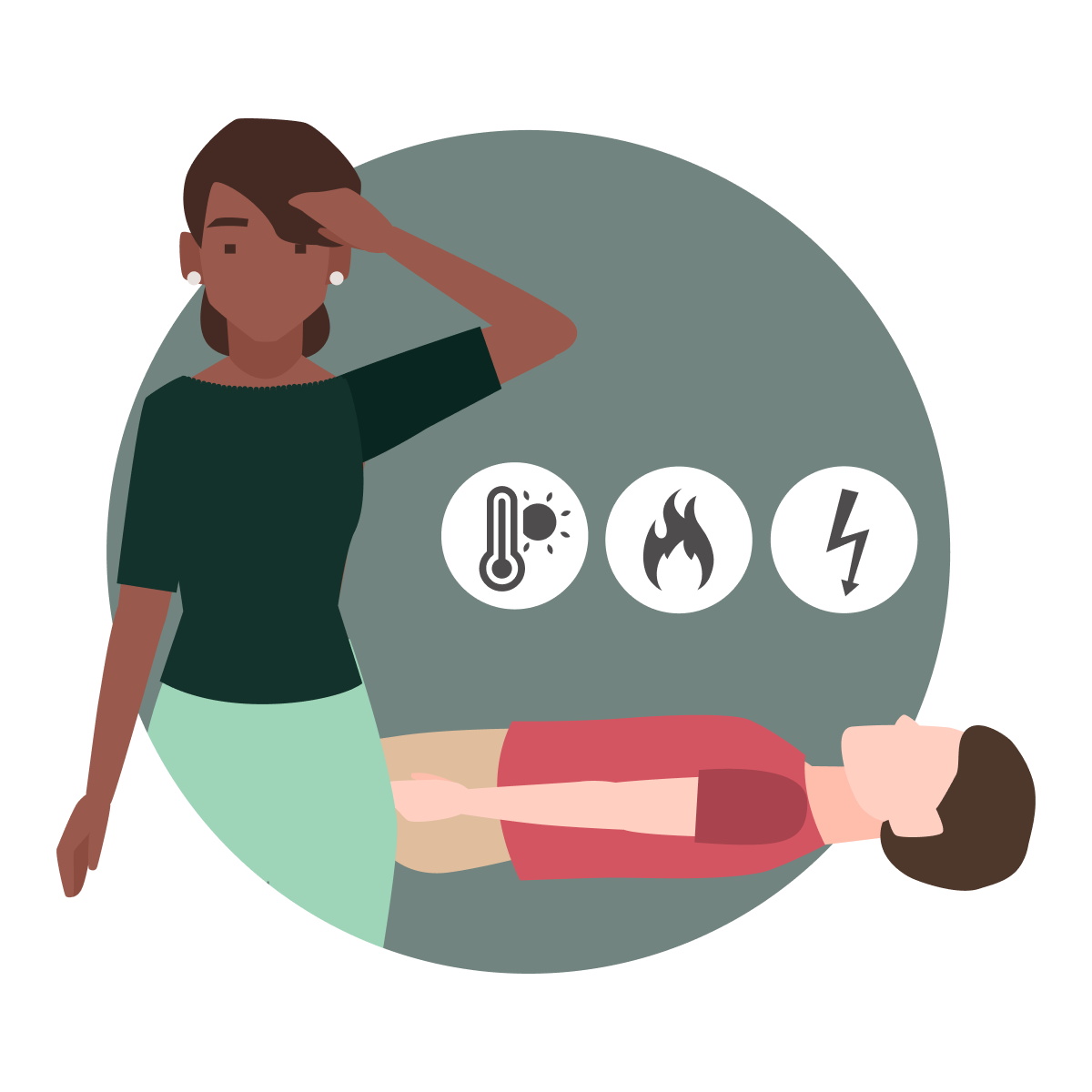
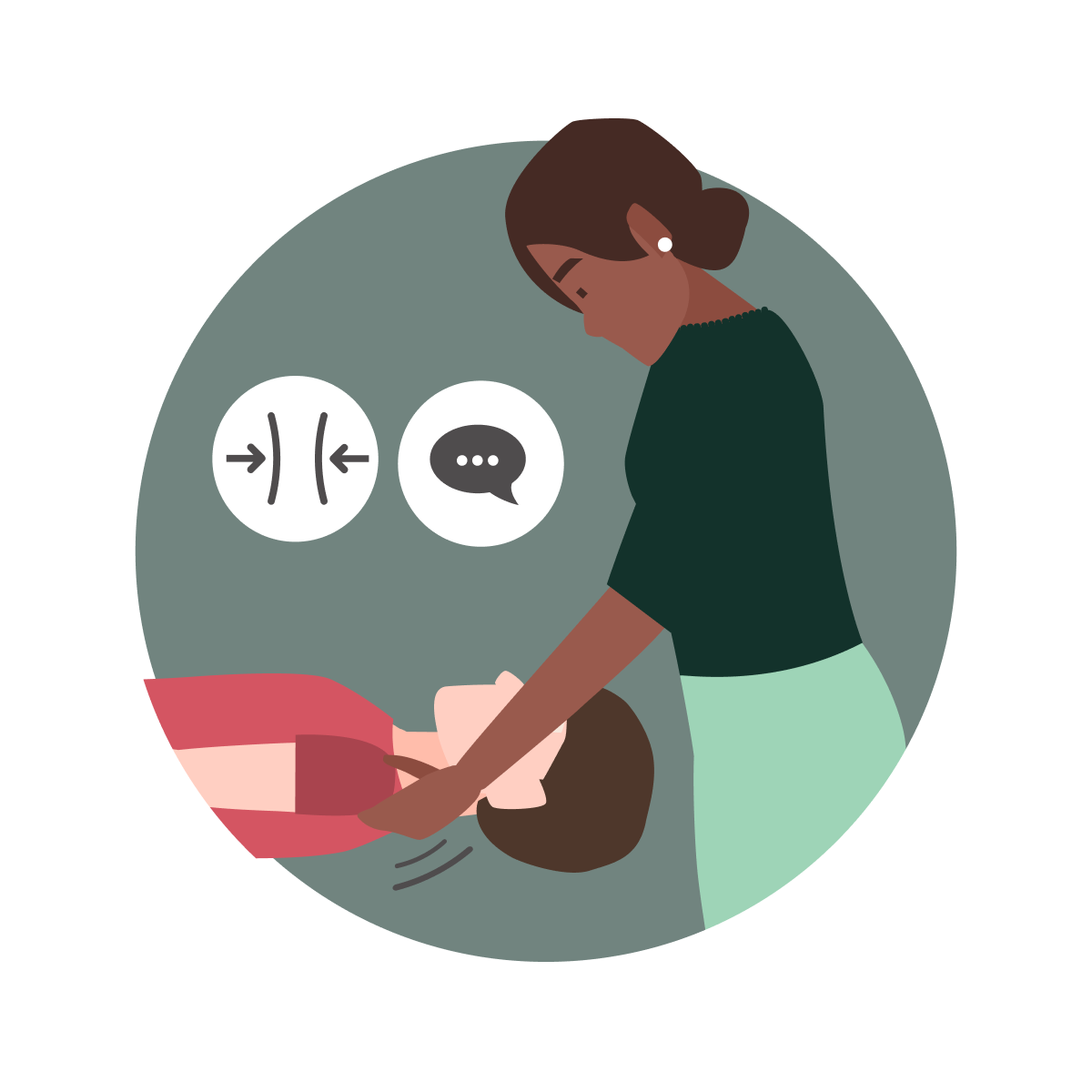
R - Response
Check for a response. You can do this by asking their name and squeezing their shoulders.
- If they do respond:
Make them comfortable, check and treat injuries or symptoms, and continue to monitor. If you are unsure it's an emergency, call Triple Zero (000) and have the situation assessed - If they don't respond:
Send for help immediately and continue to follow the Action Plan
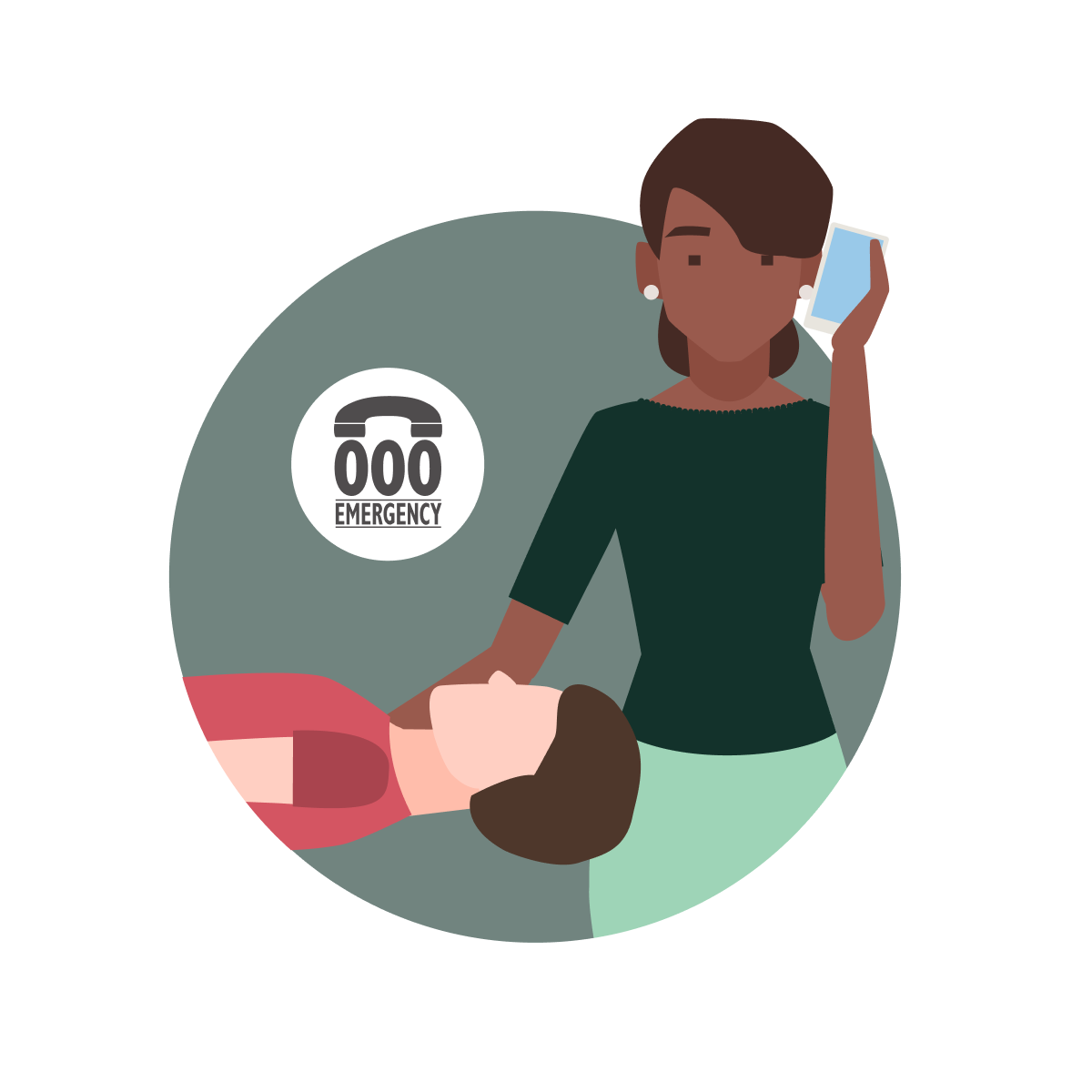
S - Send
Call Triple Zero (000) for an ambulance or ask another person to make the call.
Send for an automated external defibrillator (AED) if available.
A - Airway
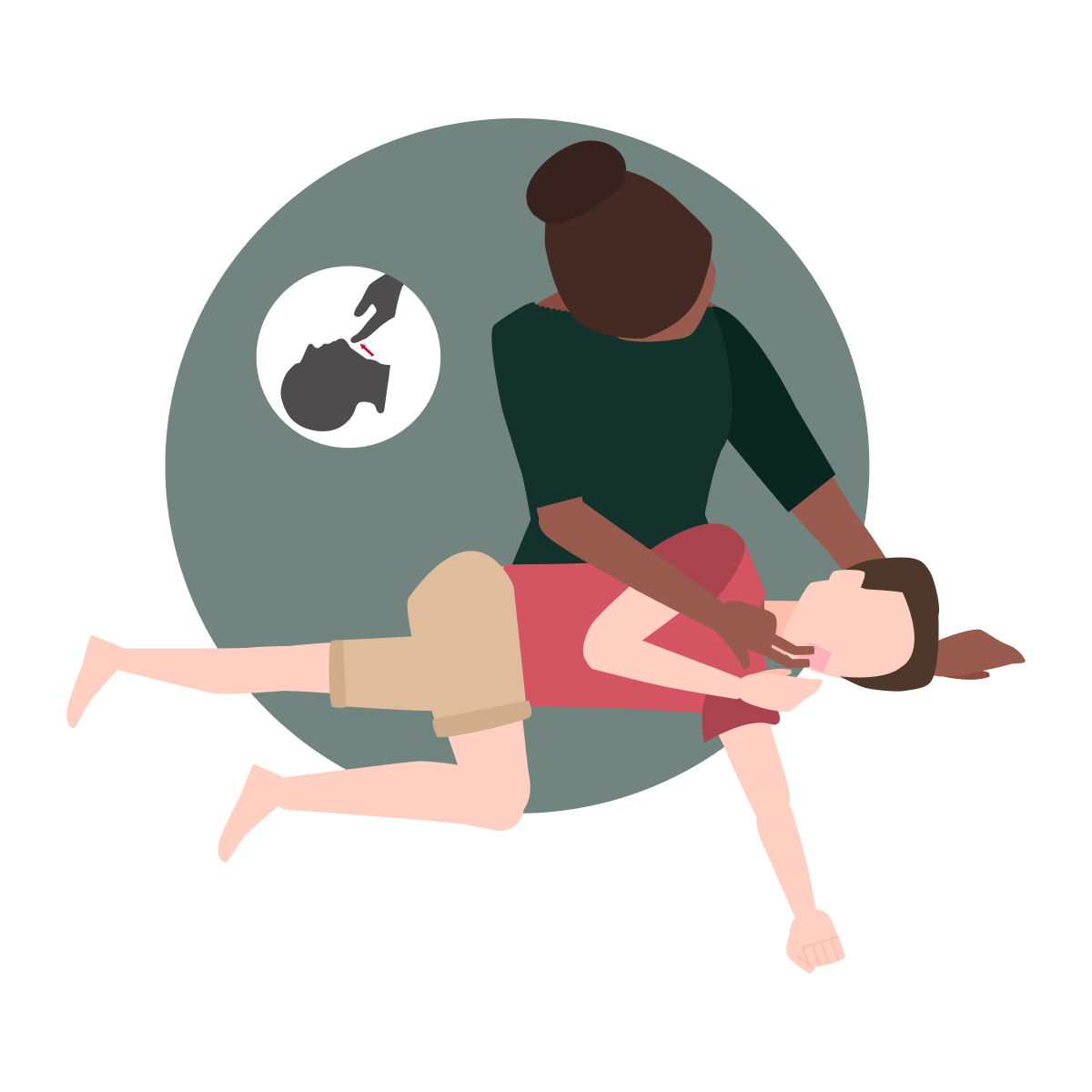
Open their mouth to check if the airway is clear. A blockage could be caused by the back of the tongue or foreign material.
- If the airway is clear:
Leave or place them on their back and open the airway by tilting the head with a chin lift - If the airway is blocked:
Place them in the recovery position with their mouth slightly downward. Open their mouth and clear the airway with your fingers. Once cleared, tilt the head with a chin lift to open the airway
B - Breathing
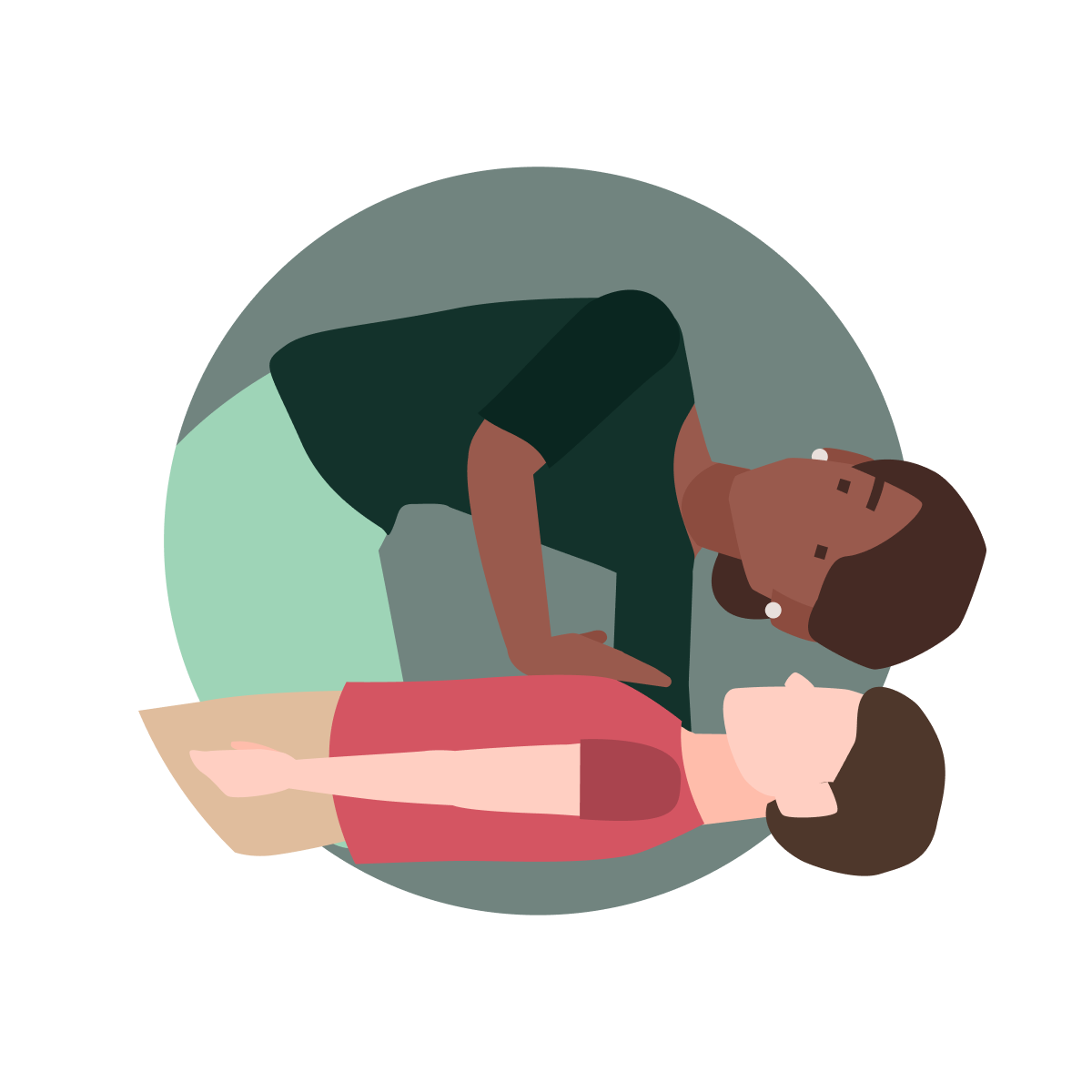
Check for breathing. You can do this by looking, listening and feeling.
- Breathing normally:
Place them in the recovery position. Monitor breathing and responsiveness until the ambulance arrives - Not breathing normally:
Leave or place them on their back and commence Cardiopulmonary Resuscitation (CPR)
C - CPR
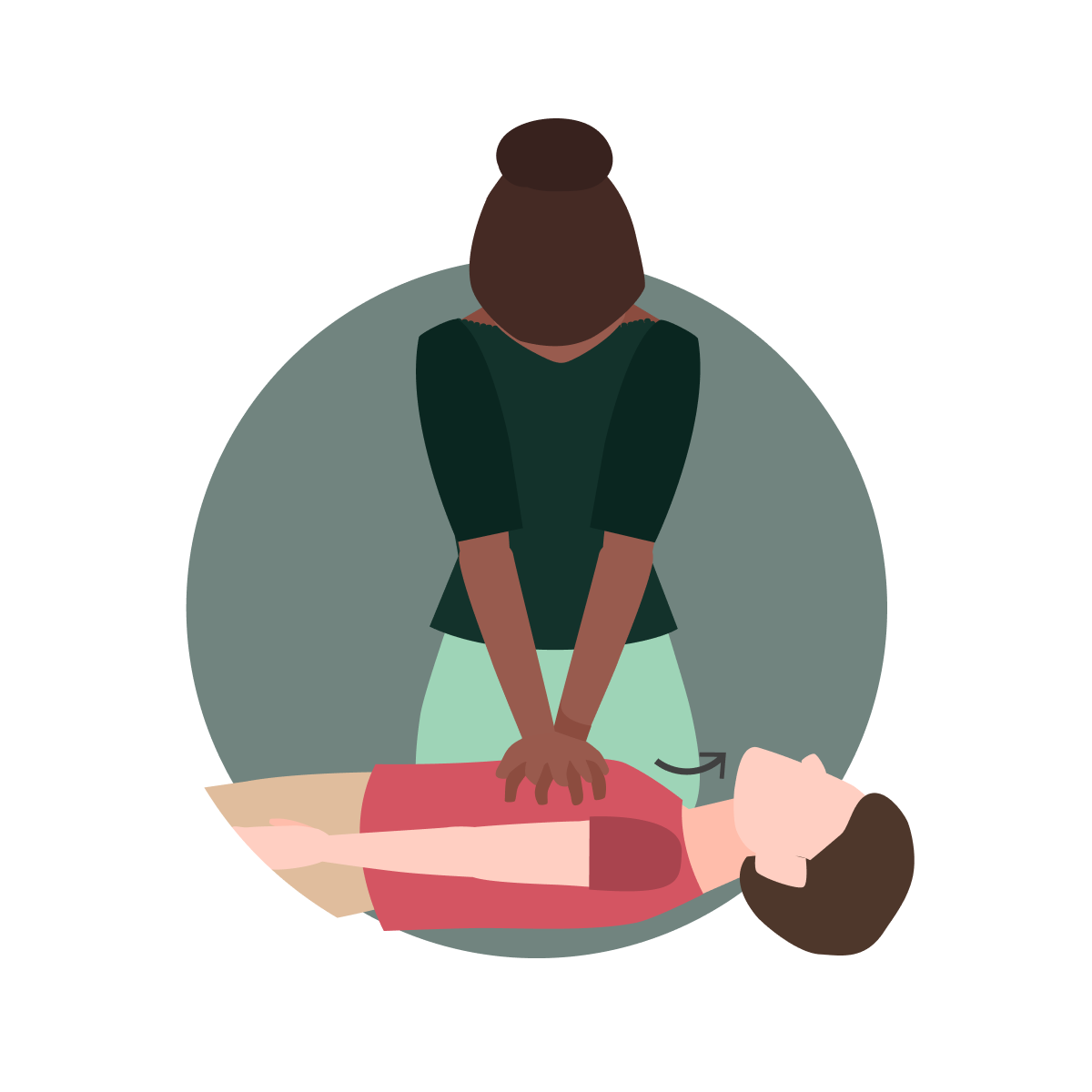
Start CPR by giving 30 chest compressions and 2 breaths (30:2). Aim for approximately 100 to 120 chest compressions per minute.
- Place the heel of one hand in the centre of their chest on the lower half of the breastbone. Then place your other hand on top
- Give 30 compressions by firmly pressing down by one third of their chest depth
- Open their airway by tilting the head with a chin lift, then:
- Pinch their nostrils to create a seal
- Blow steadily into their mouth for 1 second - watch for the chest to rise and fall. Take a breath and blow into their mouth again
- Now repeat these steps again with 30 compressions, followed by 2 breaths (30:2)
Continue CPR (30:2) until the ambulance arrives or they recover.
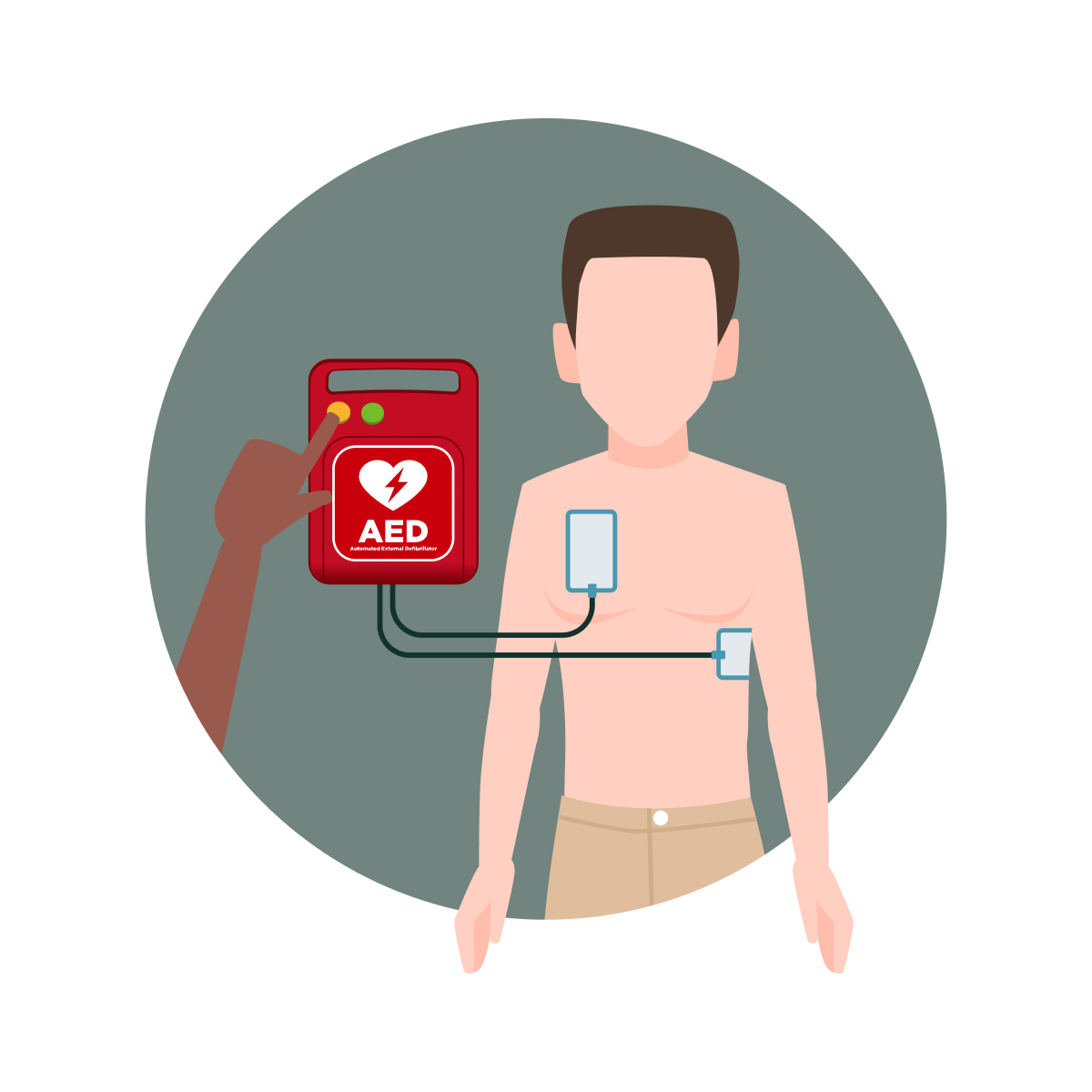
D - Defibrillator
If there is defibrillator available, turn it on, continue CPR and follow the voice prompts.